In a recent email from the Torfaen Executive Member for Environment, the Labour Controlled Council announced a decision to reduce the number of recycling hubs in the borough to four an earlier pre-pandemic count.

This move comes as a result of increased costs and lack of control over the distribution of recycling receptacles. However, this decision to me, raises concerns about the council’s ability going forward to meet the Welsh Government’s recycling targets and its potential repercussions.
One of the primary concerns with reducing the number of recycling hubs is the potential impact on the council’s ability to achieve the Welsh Government’s target of recycling 70 percent of waste by 2024/25.
Failure to meet this target could result in a significant fine imposed by the Labour Controlled Welsh Government.
For instance, if the council only achieves a recycling rate of 66 percent, a fine of £660,000 could be imposed. This financial burden highlights the importance of maintaining and improving recycling infrastructure.
By decreasing the number of hubs, the council risks making it more difficult for residents to recycle. When individuals’ recycling boxes are damaged or lost, they rely on nearby hubs to obtain replacements.
However, this reduction in the number of hubs means that residents will have to travel further to collect new recycling boxes, some of this could now end up in general waste going forward as a result.
For example, in the Abersychan ward, residents currently use Noddfa Church and Garnsychan Partnership as a hub, which also serves as a food bank and social interaction with users.

Asking residents to travel to Pontypool Civic Centre by bus or car is not practical for many and may deter them from recycling.
This inconvenience could potentially hinder the increase in the overall recycling percentage.
Maintaining a larger number of recycling hubs allows for better community engagement and local control over the recycling process.
Local ward members have diligently ensured that these collection points are located in the heart of the community, making it easier for residents to participate in recycling initiatives.
By reducing the number of hubs, the council is limiting the opportunities for community involvement and potentially diminishing the sense of ownership over recycling efforts.
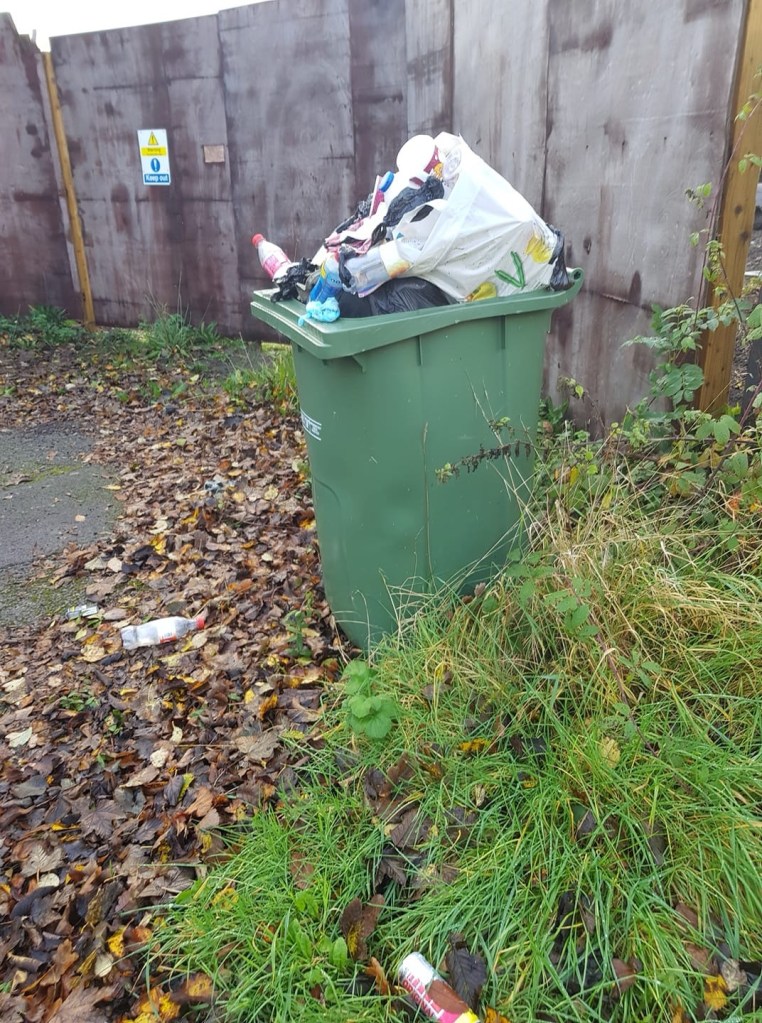
Consulting with local ward members and seeking their input would have been a valuable step in making an informed decision.
In my opinion, to encourage and improve recycling rates, it is crucial to maintain a sufficient number of accessible collection points. Furthermore, involving local ward members in the decision-making process can lead to more effective and community-centric solutions.
I really hope that the council will reconsider this decision and explore alternatives that align with the goal of increasing recycling rates.

 Giles Davies